Techno Print: A Designer's Review for Real Embroidery Work
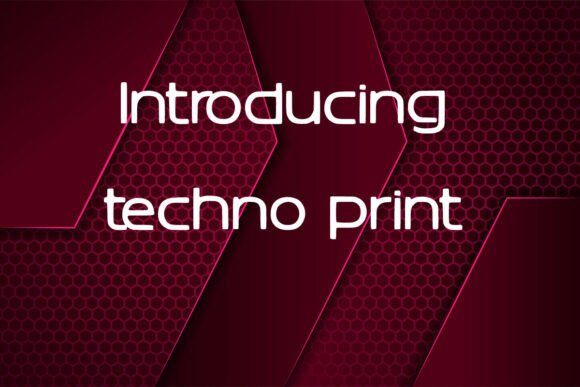
When I first opened the Techno Print file, my immediate reaction wasn't about stitch counts or file formats. It was about the mood. This design screams modern energy with a touch of industrial chic. As someone who has spent years refining embroidery projects for clients and running a small handmade shop, I know that a font isn't just about legibility; it is about character. Techno Print delivers a bold, futuristic personality that feels right at home on contemporary streetwear or sleek branding assets.
I recently put this design to the test in a real-world scenario: creating a limited-run line of custom embroidered tote bags for a local artisan market. The goal was to create something that stood out against the sea of floral and rustic designs usually seen at craft fairs. I wanted a look that said "modern maker" rather than "traditional craft." Techno Print seemed like the perfect candidate to anchor the design, offering a sharp contrast to soft canvas fabrics.
First Impressions: Visual Personality and Design Integrity
The visual wizardry mentioned in the product description is not just marketing fluff; it translates well into the physical medium of thread. The shapes are geometric and confident, avoiding the wobbly lines that often plague digital fonts when converted to machine embroidery. The layout feels balanced, which is crucial when you are working within the constraints of a hoop size. Unlike some decorative fonts that rely heavily on intricate details that get lost in stitching, Techno Print maintains its structural integrity even at smaller scales.
For those of us designing for garment designs, the distinction between a display typeface and a standard body text is vital. Techno Print falls squarely into the display category, meaning it is meant to be read from a distance or as a statement piece. It shines exceptionally well in brand impressions where you need instant recognition. When I laid out the mockup on my screen, the design felt cohesive, suggesting that it would translate beautifully onto glossy magazines or adhesive labels as well as fabric.
Real-World Performance: From Digital File to Finished Product
Transitioning from a digital preview to a stitched reality is where many designers stumble. I tested Techno Print on a variety of surfaces to see how it holds up under pressure. On a heavy-duty cotton canvas for the tote bag project, the design looked crisp. The satin stitch edges were clean, and the fill stitch areas provided enough coverage to hide the underlying fabric texture without becoming too stiff.
This versatility makes it an excellent choice for custom apparel. Imagine applying this to a crewneck sweatshirt for a boutique brand. The techno aesthetic pairs perfectly with urban styles, making it ideal for sweatshirt embroidery that needs to feel edgy yet professional. It also works surprisingly well on softer items like baby clothes, provided the design is scaled appropriately. For a nursery decor item, the playful geometry could add a fun, modern twist to a simple onesie or a baby blanket.
I also considered its potential for embroidered patches. The bold lines of Techno Print ensure that the patch remains readable even when the background color changes. This is a critical factor for commercial embroidery businesses that produce merchandise for clients. If a client wants their logo or a slogan on a hat or apron, they need a design that retains its impact regardless of the material. Techno Print delivers that reliability.
Where Caution is Required: Fabric and Size Constraints
However, no design is a one-size-fits-all solution. While Techno Print is robust, there are specific scenarios where it requires careful handling. If you are working with small hoop sizes, you must be mindful of the spacing between letters. In very small dimensions, the gaps can become too narrow, leading to thread breaks or a muddy appearance. Similarly, if you attempt to use this on thin fabric or highly stretchy fabric without proper stabilization, the tension of the stitches might cause the garment to pucker significantly.
Dark fabrics present another challenge. While high contrast is generally good, the density of the fill stitches in Techno Print means you will likely need a high-quality underlay to prevent the dark fabric from showing through the lighter threads. For curved surfaces like caps, the design might need slight adjustments to accommodate the curvature, as flat-hoop testing does not always predict how a design sits on a rounded brim.
I also advise caution with detailed corners and tiny lettering. If you shrink the design down to fit a tea towel tag or a small pocket, the fine points of the techno shapes may lose definition. In these cases, a simpler font might serve the purpose better. Additionally, for products that need frequent washing, such as kitchen towels or work aprons, ensure that the stitch density is sufficient to withstand friction and water exposure without fraying.
Elevating Your Craft Business and Client Projects
For Etsy sellers and small business owners, the quality of your finished product directly impacts customer trust. Using a design like Techno Print elevates the perceived value of your handmade product. When a customer sees a clean, well-executed embroidery project, they associate that quality with your brand consistency. It signals professionalism and attention to detail.
In the context of giftability, Techno Print adds a unique flair. Whether it is a personalized gift for a tech enthusiast or a holiday embroidery piece for a corporate event, the modern vibe sets it apart from generic designs. For digital product sellers creating printable mockups, this font allows you to showcase your services with a look that appeals to a younger, trend-conscious demographic.
When considering design assets for your portfolio, having a versatile font like Techno Print in your library is a smart investment. It fits seamlessly into craft business workflows, whether you are producing boutique branding materials or creating personalized gifts for special occasions. The ability to switch between a sleek, modern look and a more traditional style gives you flexibility in meeting diverse client needs.
Practical Notes for the Discerning Designer
Before you commit to using Techno Print in a large production run, there are essential steps to take. First and foremost, test the design on scrap fabric first. This simple step can save you hours of rework and frustration. Check the thread color contrast to ensure readability against your chosen background. Review the stitch density to make sure it isn't too heavy for the fabric weight you are using.
Confirm your hoop size requirements and inspect small details closely. Sometimes, what looks perfect on a monitor can appear crowded when stitched. Test it in black and white mockups to see how the tonal values interact. Compare light and dark fabric backgrounds to determine the best combination for your specific project. Always use proper stabilizer to support the fabric during the stitching process, especially for apparel decorators working with stretchy materials.
Finally, verify whether the design works for both personal and commercial projects and confirm licensing before selling finished items or digital products. Understanding the terms of use ensures that your finished product remains legally sound. By following these practical guidelines, you can maximize the potential of Techno Print and create stunning embroidery files that delight your customers.
Ultimately, Techno Print is more than just a font; it is a tool for creative expression. Whether you are crafting a unique tote bag design or developing a comprehensive digital embroidery file for a global audience, this design offers the visual strength needed to make a lasting impression. With thoughtful application and technical care, it can transform a simple idea into a standout piece of wearable art.