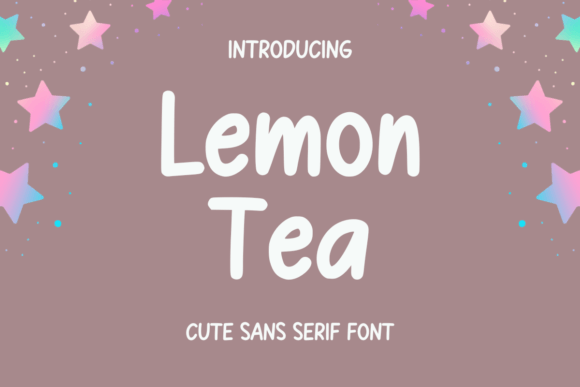
Lemon Tea Font Review for Modern Web and Editorial Design
A Fresh Approach to Visual Storytelling with Lemon Tea
When I first saw Lemon Tea, I knew it was a font that could bring a new level of charm and clarity to digital publishing. As a designer who works across blog graphics, editorial layouts, and social media visuals, I’m always on the lookout for fonts that can elevate content without overpowering it. Lemon Tea is a cute sans serif font that feels both playful and professional — a perfect balance for modern design needs.
This font has a light, airy feel that makes it ideal for lifestyle, creative, and educational content niches. It naturally supports a warm, approachable mood that can be especially effective in niche areas like wellness, handmade crafts, or personal development. Its clean lines and soft curves suggest a sense of ease and accessibility, which helps build reader trust and engagement.
Where Lemon Tea Shines in Real Publishing Workflows
Lemon Tea isn’t just another font; it’s a graphic design asset that can enhance your editorial quality and visual hierarchy. Here are some real-world publishing scenarios where this font stands out:
- Blog Featured Images: Use Lemon Tea for headlines or callouts in featured images to create a welcoming first impression.
- Pinterest Graphics: The font’s readability and aesthetic appeal make it ideal for Pinterest pins that need to catch attention quickly.
- Newsletter Headers: Incorporate it into newsletter headers or subject lines to add personality while maintaining brand consistency.
- Downloadable Resources: Whether it's a digital guide, worksheet, or eBook cover, Lemon Tea adds a polished look that encourages downloads.
- Social Media Previews: Its modern and clean appearance works well for social media previews, helping improve click-through rates.
Supporting Content Performance with Lemon Tea
The way Lemon Tea presents text can significantly impact how readers perceive your content. A stronger first impression, clearer visual hierarchy, and more consistent branding all contribute to better content performance. By using Lemon Tea, you’re not just choosing a font — you're reinforcing your brand identity and making your content more clickable and shareable.
It supports improved reader trust through its professional yet friendly tone, and it helps with category recognition by visually grouping similar content types together. For affiliate marketing or content marketing efforts, Lemon Tea can be a subtle but powerful tool to increase conversions and engagement.
Best Practices for Using Lemon Tea in Your Design Projects
While Lemon Tea is versatile, it works best in certain contexts. Here are the areas where it excels:
- Hero Images: Pair Lemon Tea with bold visuals for hero sections that draw attention and communicate key messages effectively.
- Article Thumbnails: Use it for article thumbnails to ensure readability and maintain a cohesive visual identity across your website.
- Editorial Accents: Add it as an accent in editorial layouts to highlight important points or quotes without overwhelming the reader.
- Content Upgrades: Apply it to lead magnets or downloadable resources to make them more appealing and branded.
- Category Visuals: Create category thumbnails or banners that use Lemon Tea to reinforce thematic elements and improve navigation.
However, there are also situations where caution is needed. Avoid using Lemon Tea in small mobile thumbnails where legibility may suffer. Be careful when pairing it with text-heavy blog images or low-contrast backgrounds, as this can reduce readability. It may not be the best fit for serious professional niches, corporate content, or websites that require a very minimal visual system.
Practical Tips for Publishers and Designers
If you're considering Lemon Tea for your next project, here are some practical publisher notes to keep in mind:
- Test Across Devices: Always test it on desktop and mobile screens to ensure it looks good at different sizes and resolutions.
- Check Thumbnail Readability: Preview how it appears as a thumbnail in your blog layout or social media feed.
- Contrast and Readability: Ensure proper contrast and readability, especially when using it on dark or busy backgrounds.
- File Size and Performance: Review file size for web performance and compress images properly if used in digital downloads or printable designs.
- Confirm Licensing: Make sure to confirm commercial licensing before using it on monetized websites, affiliate pages, or paid content products.
Try placing Lemon Tea beside other font styles like serif, script, or display fonts to see how it complements or contrasts with them. This can help you find the right balance for your brand identity and editorial design goals.
Final Thoughts on Lemon Tea for Content Creators
Lemon Tea is more than just a cute sans serif font — it’s a valuable addition to any designer’s toolkit. Whether you're creating blog graphics, editorial layouts, or social media visuals, this font brings a fresh and modern touch that can elevate your content and strengthen your brand identity.
For bloggers, publishers, and digital marketers looking to enhance their visual storytelling, Lemon Tea offers a unique opportunity to create content that feels both professional and personable. With thoughtful application, it can become a go-to choice for improving your website branding, editorial content, and downloadable resources in meaningful ways.