Christmas Garland: A Designer's Review for Real Embroidery Work
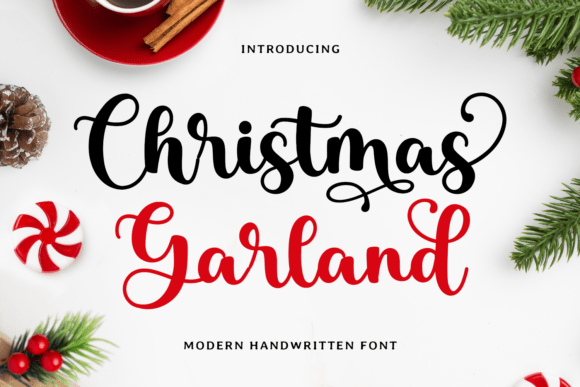
As an experienced designer who spends countless hours testing machine embroidery designs before putting them on the market, I look past the pretty preview images. I need to know how a design actually behaves under the needle. When I first laid eyes on Christmas Garland, a festive and elegant script font inspired by the warmth and joy of the holiday season, I immediately thought about its potential in a real-world commercial setting. Its graceful curves and flowing strokes evoke the charm of handwritten calligraphy, making it a standout candidate for those of us who value authenticity in our handmade products.
This review is not just a description of what the design looks like; it is a practical assessment of how Christmas Garland performs when stitched onto various fabrics, from delicate baby onesies to rugged canvas tote bags. Whether you are an Etsy seller looking to boost your holiday inventory or a craft business owner planning custom apparel, understanding the nuances of this script amp style font is crucial for delivering a professional finished product.
The First Impression: Mood and Visual Personality
The moment you open the file for Christmas Garland, the mood shifts. Unlike rigid block letters or overly ornate gothic styles, this design breathes with a relaxed, organic energy. The flowing strokes suggest a hand that was moving quickly but with care, capturing the spirit of a busy holiday kitchen or a cozy winter evening. For designers building a brand around warmth and personal connection, this visual personality is gold.
In terms of layout, the script feels balanced without being stiff. It avoids the common pitfalls of many holiday fonts where the letters become so tangled that they lose their legibility. This is a critical factor for any embroidery project intended for resale. If a customer cannot read the text on a gift, the perceived value drops significantly. Christmas Garland maintains clarity while offering enough decorative flair to stand out as a premium asset in your digital library or physical shop.
Real-World Application: From Scrap Fabric to Finished Product
To truly understand the capabilities of this design, let me walk you through a scenario I recently faced. I was preparing a collection of custom embroidered tote bags for a local holiday craft fair. The goal was to create a versatile design that could be used for general holiday greetings or personalized names for customers. I selected Christmas Garland for its ability to wrap naturally around the bag's handle area.
The stitching process revealed why this font works well for custom apparel and accessories. The transitions between letters are smooth, which minimizes the risk of thread breaks during the run. However, the elegance comes with a responsibility regarding stitch density. On a sturdy canvas tote, the design held up beautifully, creating a rich texture that felt substantial against the rough fabric. The contrast between the satin stitches of the script and the weave of the canvas elevated the item from a simple giveaway to a boutique-quality piece.
I also tested the design on a soft cotton sweatshirt for a client requesting a family matching set. Here, the flowing nature of the font shone. It did not fight the stretch of the knit fabric as much as more angular scripts might have. The result was a cohesive look that felt integrated into the garment rather than just slapped on top. For small business merchandise like aprons or pillow covers, this kind of integration is what drives repeat customers and positive reviews.
Where Caution Is Required: Limitations and Challenges
While Christmas Garland is a strong contender, no single design fits every situation perfectly. As a reviewer, I must point out where this font requires careful handling. One of the primary concerns is the use of small hoop sizes. Because the script relies on fine, flowing lines, shrinking the design too much can cause the details to merge together during stitching. If you plan to use this for tiny embroidered patches or labels on baby clothes, you must verify the minimum recommended size before committing to production.
Fabric texture plays a massive role in the final appearance. On highly textured materials like chunky wool or thick fleece, the intricate curves of the script may get lost. The needle might struggle to pull the thread tight enough to define the letter shapes, leading to a fuzzy, indistinct finish. Similarly, on thin or stretchy fabrics, the tension required for a clean script can sometimes cause puckering if the stabilizer is not chosen correctly. Always test on scrap fabric first to ensure the stabilizer supports the weight of the design adequately.
Dark fabrics present another challenge. While high-contrast thread colors usually solve this, the fine details of the script require a solid background to pop. On dark denim or navy cotton, ensure your thread choice has enough coverage to hide the underlying fabric color. If the fill is too light or the thread count too low, the design will look washed out, diminishing the professionalism of the final item.
Impact on Brand Value and Customer Trust
In the world of Etsy sellers and creative entrepreneurs, the quality of the embroidery speaks volumes about your brand. A sloppy, poorly executed script can make even a well-made product feel cheap. Conversely, a clean, well-stitched design like Christmas Garland signals attention to detail. When a buyer receives a personalized gift with crisp, legible, and aesthetically pleasing lettering, they feel confident in the craftsmanship. This directly influences buyer engagement and word-of-mouth marketing.
The design also affects the perceived value of the item. A simple t-shirt becomes a keepsake when adorned with a high-quality script that looks like it belongs in a gallery rather than a discount bin. For holiday gifts and wedding favors, this elevation in presentation is often the deciding factor for customers willing to pay a premium price. It transforms a commodity into a memory.
Practical Designer Notes for Success
Before you start running production batches, there are several technical steps you should take to ensure success with Christmas Garland. First, always review the stitch density within your software. High-density areas in script fonts can lead to bulkiness, especially on garments that need to lie flat. If the design feels too heavy, consider adjusting the density settings or choosing a lighter thread weight.
Thread color selection is equally important. Do not rely solely on the digital mockup. Check the actual thread spools against your fabric swatches. Sometimes a color that looks vibrant on screen appears dull after stitching due to the matte finish of embroidery thread. Testing the design in black and white mockups can also help you visualize the contrast and shape integrity without the distraction of color.
Finally, confirm the licensing terms. If you intend to sell finished items using this design, ensure your license permits commercial use. If you are selling the digital file itself, check if redistribution rights are included. Never assume; read the fine print to protect your craft business from legal issues. Also, inspect the small details closely. Look at the sharp corners and the ends of the strokes to ensure they are defined enough to survive multiple washes.
Christmas Garland is a versatile tool for any designer looking to add a touch of holiday magic to their portfolio. By understanding its strengths and respecting its limitations, you can create stunning finished products that resonate with customers and elevate your brand. Whether you are working on digital embroidery files for download or creating one-of-a-kind personalized gifts, this font offers the flexibility and charm needed to succeed in a competitive market.