Bee Cute: A Real-World Embroidery Review for Makers
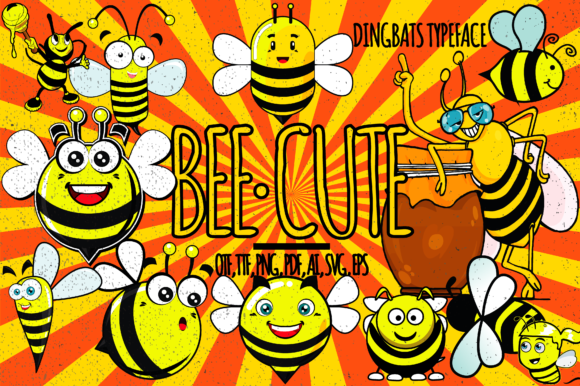
When I first opened the folder for Bee Cute, I wasn't just looking at a font file; I was looking at a potential bestseller for my next craft fair booth. As an experienced designer who has spent years troubleshooting stitch density issues and refining finished products for clients, my first impression of this dingbats typeface is one of genuine curiosity. It promises something specific: up to 47 unique bee designs generated simply by typing uppercase and lowercase letters. In the world of embroidery design files, that level of variety from a single source is rare, but the real question remains: does it hold up when the needle hits the fabric?
The Mood and Visual Personality
Bee Cute immediately establishes a playful, whimsical mood. The shapes are rounded and approachable, avoiding the sharp, aggressive angles that can sometimes look too harsh on soft goods like baby clothes or nursery decor. When you view the digital previews in AI or SVG formats, the visual personality feels cohesive. It isn't just a standard alphabet with a bee added on top; the entire character set seems designed to mimic the form of an insect while remaining legible as text.
This duality is crucial for handmade product owners. You want your embroidery project to be readable, yet decorative enough to stand out as a piece of art rather than just a label. The design assets here lean heavily into the "cute" aesthetic, making them perfect for boutique branding or personalized gifts where emotional connection drives sales. However, the charm relies entirely on how well those curves translate into thread. If the details get lost in stitching, the whole concept falls flat.
Real-Life Application: From Screen to Stitch
I recently tested this design concept on a custom embroidered tote bag project intended for a local holiday market. The goal was to create a series of reusable bags with different messages using the same base design. With Bee Cute, the workflow was surprisingly efficient. Instead of importing 47 separate vector files, I could type out phrases like "BEE HAPPY" or "WORKING ON IT" directly in my software and watch the bees transform based on the letters.
For small business owners and Etsy sellers, this efficiency translates to higher margins. Generating unique variations for a sweatshirt embroidery line or a collection of aprons becomes much faster. Imagine creating a set of kitchen towels for a wedding gift where each towel features a different bee phrase. The ability to generate these variations quickly allows you to offer more customization to customers without spending hours re-drawing vectors.
The design also shines on larger surfaces like pillow covers or blankets. Because the bees have distinct personalities depending on the letter used, they add a layer of narrative to the finished product. A blanket for a nursery doesn't just say "Baby"; it tells a story through the arrangement of the insects. This storytelling aspect significantly boosts buyer engagement and perceived value, turning a simple textile item into a memorable keepsake.
Where Caution is Key
Despite the promise of versatility, there are specific scenarios where Bee Cute requires careful handling. My experience suggests that this design should be used sparingly on small hoop sizes. While the concept is cute, cramming detailed bee shapes into a tiny area can lead to thread breaks and a muddy appearance. If you are designing an embroidered patch for a cap, you must ensure the curve of the hat doesn't distort the lettering too much.
Textured fabrics and stretchy materials present another challenge. On a thick, fuzzy fleece or a highly elastic knit, the fine details of the bee wings or legs might disappear under the tension of the stitches. Thin fabrics can pucker if the stitch density is too high, which is a common issue with fill stitch areas. I strongly advise testing the design on scrap fabric first to see how the stabilizer interacts with the material. Without proper support, even the cutest design can end up looking distorted and unprofessional.
Dense stitch areas are another potential pitfall. If you use this for commercial embroidery projects on dark fabric, the thread coverage needs to be absolute. Light colors over dark backgrounds often require multiple passes or a heavy underlay, which can make the fabric stiff. For products that need frequent washing, like aprons or work shirts, you must inspect the small details to ensure they won't snag or unravel after a few cycles. The design works best on stable, medium-weight cottons or linens where the structure holds the shape of the bees.
Impact on Brand and Customer Trust
In the handmade market, presentation is everything. A poorly executed design can erode customer trust instantly. Bee Cute, when stitched correctly, elevates the perceived quality of a handmade product. The consistency of the style across different letters helps maintain brand consistency, whether you are selling a single personalized gift or a full line of merchandise. Customers associate clean, precise stitching with reliability, and this design supports that reputation.
Furthermore, the visual appeal of the bees adds a touch of whimsy that resonates with buyers looking for unique items. It moves the product away from generic mass-produced goods and positions it as a thoughtful, creative asset. For digital product sellers creating printable mockups, having a font that looks this good in a preview image can be the deciding factor for a sale. It signals to the buyer that the final physical item will be just as delightful.
Practical Designer Notes for Success
If you are planning to incorporate Bee Cute into your workflow, here are some essential steps to ensure a successful outcome. First, always review the stitch density settings in your embroidery software. If the fill stitch is too dense, the fabric will become rigid; if it is too sparse, the design will look weak. Check whether the design works for both personal and commercial projects by confirming the licensing terms before you start selling finished items.
Thread color contrast is critical. Test the design in black and white mockups to ensure the shapes remain distinct regardless of the color palette you choose. Compare light and dark fabric backgrounds to see how the bees pop against the material. Using the proper stabilizer is non-negotiable; without it, the delicate corners and curved surfaces will likely fail during the stitching process.
Finally, inspect small details closely. Since this is a dingbats typeface relying on imagery within letters, the resolution of the underlying vector matters. Ensure your machine embroidery design is optimized for the specific hoop size you intend to use. If you are unsure about the exact stitch count or file compatibility, check the documentation provided with the download. Taking these precautions ensures that your finished product reflects the high standards of your craft business.
Ultimately, Bee Cute offers a fun, flexible tool for designers willing to put in the preparation work. It bridges the gap between typography and illustration, offering a unique way to express personality in embroidery. Whether you are creating a holiday gift, a custom apparel line, or a boutique product, this design has the potential to add a charming, professional touch to your portfolio.