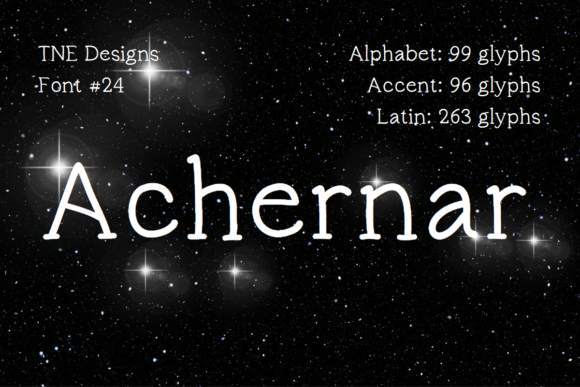
Achernar: A Quirky Handwritten Font for Real Embroidery Projects
I have spent years reviewing embroidery designs, testing everything from intricate floral motifs to bold graphic lettering. Most of the time, I am looking for perfection in stitch density and clean edges. However, sometimes a project calls for something different. It needs character. It needs to feel human. That is exactly where Achernar steps into my workflow. As a quirky handwritten font with a serif structure, it brings a natural, imperfect charm that digital vector fonts often lack.
When I first opened the file to test it on my machine, I was immediately struck by the mood it set. This isn't a rigid, corporate typeface. It feels like someone picked up a marker and wrote it down quickly but with care. The Serif elements give it a touch of elegance, while the handwriting style keeps it grounded and approachable. For designers looking to create handmade products that feel authentic rather than mass-produced, Achernar offers a unique visual personality that can elevate a simple design into a memorable piece.
Bringing Achernar to Life on Custom Apparel
Let me take you through a real scenario I recently faced. A local boutique owner approached me about creating a line of custom embroidered tote bags for a seasonal market. She wanted something that felt personal, not generic. She needed text that would look great on canvas but also translate well to other items like aprons and sweatshirts. We decided to experiment with Achernar.
The first challenge was always how the design would hold up after stitching. Handwritten fonts can sometimes lose their detail when converted into an embroidery file. I ran a quick test on a scrap piece of cotton twill. The result was impressive. The strokes were fluid, and the "quirky" nature of the letters didn't get lost in the fabric weave. On a beige tote bag, the contrast was perfect, making the text pop without feeling too aggressive. It looked like a signature, which added immediate value to the product.
This font shines brightly on soft goods. Imagine a baby onesie with a name stitched in this style; the slight irregularity of the lines makes it feel like a lovingly crafted gift rather than a factory print. Similarly, on a kitchen towel or a holiday pillow cover, Achernar adds a cozy, domestic warmth. It fits naturally into home decor because it mimics the way we actually write notes or labels at home. It bridges the gap between professional branding and personal crafting.
Where This Design Shines Best
In my experience as a reviewer, certain projects are just made for specific styles. Achernar is not a one-size-fits-all solution, but it excels in several key areas:
- Personalized Gifts: Whether it is a monogrammed blanket or a custom cap, the handwritten style feels intimate and special.
- Boutique Branding: Small shop owners can use this for tags, hangtags, or direct embroidery on garments to build a cohesive brand identity.
- Holiday Merchandise: Christmas stockings, Easter baskets, or Valentine's Day cards benefit from the festive, scribbled energy of the font.
- Digital Product Previews: If you sell printable mockups or SVG designs, showing this font helps buyers visualize a finished, high-quality product.
The versatility of Achernar allows it to work across various mediums. You can use it for websites, blog headers, or as part of a larger branding package. But its true strength lies in the physical world of machine embroidery. When you see it stitched out, it commands attention without shouting. It invites the viewer to lean in and read the message.
Practical Considerations for Embroidery Designers
While Achernar is a fantastic choice, using it effectively requires some practical know-how. As an experienced designer, I want to share some insights on how to handle this font during the digitizing and stitching process. The goal is to ensure your finished product looks as good as the digital preview.
First, consider the stitch density. Handwritten fonts often have varying line widths. In a fill stitch or satin stitch, thick parts of the letters might need more stitches to cover the fabric, while thin parts should remain delicate. If the density is too high, the fabric might pucker, especially on lightweight materials. Always check the thread color contrast before committing to a full run. Dark threads on dark fabric can make the details disappear, so stick to high-contrast combinations for the best readability.
Another critical factor is the hoop size and the surface you are working on. Achernar works beautifully on flat surfaces like tote bags, aprons, and pillow covers. However, be cautious when applying it to curved surfaces like caps or fitted hats. The distortion caused by the curve can exaggerate the quirks of the handwriting, potentially making the text hard to read if not adjusted correctly. If you are working with stretchy fabrics, such as jersey t-shirts or sweatshirts, you must use a proper stabilizer to prevent the design from warping over time.
For smaller projects, like embroidery patches or tiny accents on baby clothes, you need to be careful with the level of detail. While Achernar is charming, extremely small lettering can become muddy if the individual stitches blend together. Test the design on a scrap piece of your intended fabric first. This step is non-negotiable. It saves you from ruining expensive materials and ensures that the final output meets your standards.
Navigating Challenges with Texture and Washability
Sometimes, the fabric texture itself can interfere with the design. If you are embroidering on a heavily textured material like a chunky knit sweater or a rough burlap sack, the Achernar font might get lost in the weave. In these cases, you might need to adjust the underlay or choose a simpler variation of the design. Additionally, for products that will undergo frequent washing, such as kitchen towels or children's clothing, ensure that the design is secure. Dense stitch areas can sometimes trap lint or wear down faster if not properly anchored.
If you are planning to sell finished items or digital assets, always confirm the licensing terms provided with the file. Some fonts are restricted to personal use only, while others allow commercial production. Understanding these rules protects your craft business and ensures you are operating ethically. Achernar is described as perfect for branding and blogs, which suggests it has broad utility, but verifying the specific terms is essential for any Etsy seller or small business owner.
Final Thoughts on Visual Appeal and Professionalism
In the world of handmade products, presentation is everything. Customers today are savvy; they can tell the difference between a generic template and a thoughtfully designed item. Using a font like Achernar signals that you care about the details. It shows that you understand typography and how it affects the emotional response of your audience.
The Serif classification of Achernar adds a layer of sophistication that pure script fonts often lack. It grounds the whimsy of the handwriting with a sense of stability and tradition. This balance is crucial for building customer trust. When a buyer sees a professionally embroidered patch or a neatly stitched logo on a tote bag, they are more likely to perceive the product as high quality and worth the price.
Whether you are creating a custom apparel line, designing digital assets for download, or simply making a heartfelt gift for a friend, Achernar provides a reliable tool for expression. It captures the natural characteristics of your project, bringing out the human element in every stitch. By testing thoroughly, respecting the limitations of your equipment, and understanding the context of your design, you can turn this font into a powerful asset for your creative endeavors.
So, grab your hoop, select your thread colors, and give Achernar a try. With a little bit of preparation and a lot of creativity, you might find that this quirky handwritten font becomes the cornerstone of your next big embroidery project.